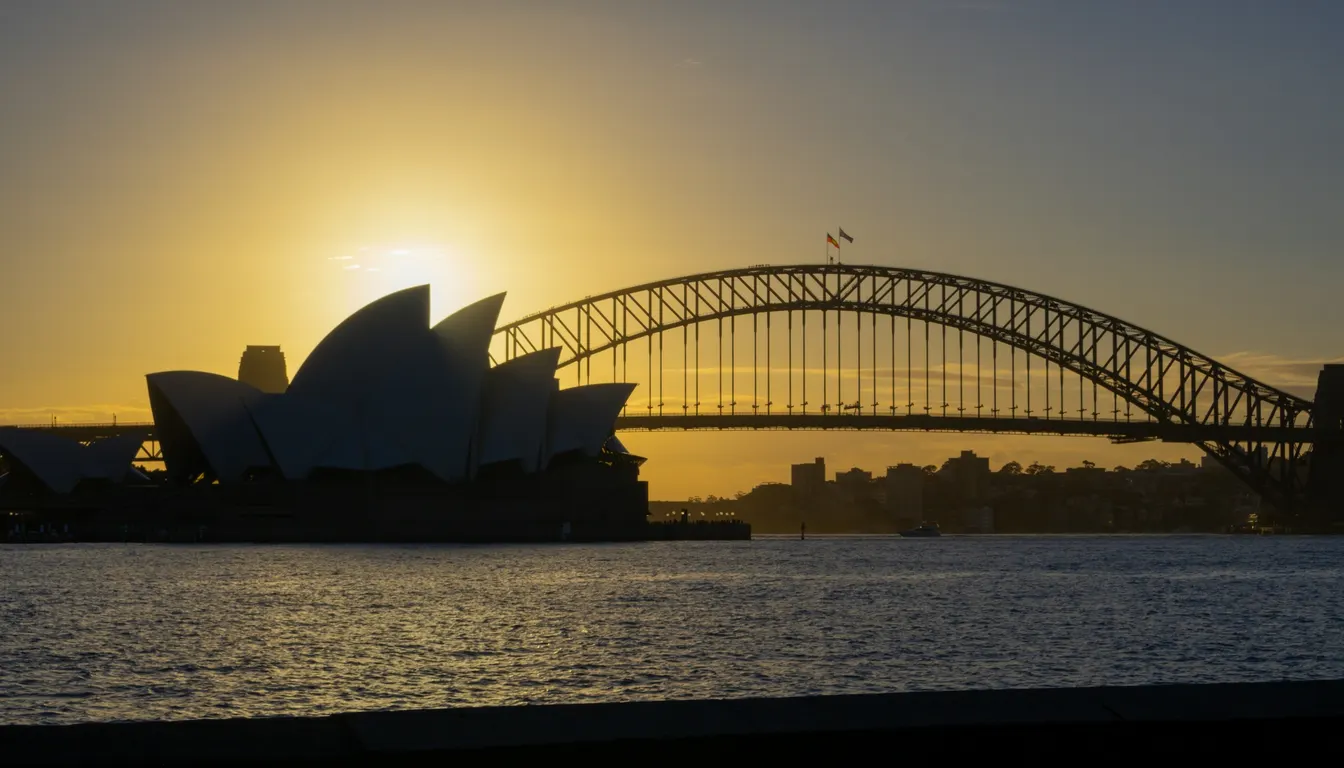
Start with the shape of the trip
Plan an Australia trip that works on the ground
Australia is easiest to plan when you choose a region before making a day-by-day list. The country is the size of a continent: Sydney to Cairns is roughly a three-hour flight, and Melbourne to Uluru is not a casual road-trip detour. A focused route usually creates a better holiday than a checklist joined by airports.
Choose a region, then choose the season
For a first trip of two weeks, one practical shape is Sydney, Melbourne and one nature region reached by air. Another is Queensland, linking Brisbane or the Gold Coast with Cairns and the Great Barrier Reef. Western Australia, Tasmania and the Top End each reward being treated as a trip in their own right.
The tropical north has a marked wet season, generally from November into April, when humidity, heavy rain and cyclones can affect roads and boat trips. The dry months are busier but easier for Kakadu, the Kimberley and reef access. Southern cities have four seasons. Spring and autumn are comfortable for city walking; summer is strong for beaches but brings school-holiday prices and heatwaves. Alpine and desert nights can be cold even when daytime forecasts look mild.
Budget for distance
Domestic flights save time between regions, but the cheapest fare may exclude checked luggage and seat selection. Compare the final price and allow a useful buffer when connecting to an international flight. On road trips, estimate by driving hours rather than kilometres. Rest stops, roadworks and wildlife make a five-hour map estimate a full travel day. Avoid remote driving after dark, carry water and confirm fuel stops before leaving sealed highways.
In cities, a car is often a burden. Sydney, Melbourne and Brisbane have useful public transport; ferries are part of the experience in Sydney and Brisbane. Hire a vehicle only for the days it adds value, and read restrictions on unsealed roads, ferries and one-way travel.
Book the fixed points first
Secure international flights, the first nights after arrival and genuinely capacity-limited experiences before filling every day. New Year in Sydney, major sporting weekends, school holidays and remote lodges need more lead time. Reef boats can be weather affected, so place the priority trip early enough to leave a second possible day. Keep ordinary museums, beaches and neighbourhood walks flexible.
Visitors should check passport-specific visa requirements directly with the Australian Department of Home Affairs. Australia also enforces strict biosecurity rules: declare food, plant and animal products on arrival. For health and travel cover, read the policy wording and check activities such as diving, hiking and rental-vehicle excess rather than relying on a product headline.
Build a usable daily rhythm
Arrival days are rarely full sightseeing days, especially after an overnight flight. Place the most important outdoor activity on a morning with a backup window, alternate demanding days with lighter ones and keep meals near the area already being explored. Travelling with children or across time zones makes that margin more valuable. Before leaving a region, check the next transfer, baggage rules and how the final kilometre to the accommodation works after dark.
Start with a proven destination guide
- Sydney — harbour ferries, beaches and neighbourhoods
- Melbourne — food, galleries and Victorian day trips
- Cairns — reef and Wet Tropics gateway
- Perth — beaches, the Swan River and the west coast
Each live destination guide explains timing, neighbourhoods and realistic length of stay. The shorter planning drafts that previously appeared here are being held out of search until they meet the same editorial standard.